Shatel Huntley has a Bachelor's degree in Criminal Justice from Georgia State University. In her spare time, she works with special needs adults and travels the world. Her interests include traveling to off the beaten path destinations, shopping, couponing, and saving.
Grocery delivery has become more popular than ever, offering shoppers the ability to skip long checkout lines and have food delivered straight to their door. While the convenience is undeniable, many customers don’t realize the extra costs associated with these services. Between hidden fees, higher prices, and service charges, grocery delivery can quickly become much…
Furnishing a home can be expensive, but the rise of Re-Store shopping is transforming how people buy furniture. Instead of purchasing brand-new items at high prices, more consumers are turning to resale, refurbished, and upcycled pieces to create stylish and affordable spaces. The Re-Store concept promotes sustainability by reducing waste while also providing customers with…
Many shoppers assume that name brands are always better than store brands, but that’s not always true. In fact, some private-label grocery store brands offer the same—if not better—quality than their national brand competitors. With more grocery chains investing in high-quality products under their labels, customers are discovering that they can save money without sacrificing…
Retailers love advertising massive sales, but what if those discounts aren’t as real as they seem? Many stores use a tactic where they first raise the price of an item, only to later mark it as “on-sale” for what is essentially the original price. This deceptive pricing strategy makes customers believe they’re getting a bargain…
Finding the perfect kitty litter is essential for maintaining a fresh and clean home while keeping your cat happy. With so many options on the market, it can be overwhelming to choose the right one. Factors like odor control, clumping ability, dust levels, and price all play a role in finding the best fit for…
A gym membership can be a great investment in your health, but the cost can quickly add up. Many people avoid signing up due to high fees, unaware that there are ways to save significantly on memberships. From negotiating rates to taking advantage of workplace perks, there are plenty of strategies to get a discounted…
When trying to lose weight, many people turn to foods that seem healthy but are actually loaded with hidden sugars, calories, and processed ingredients. The food industry markets certain products as “weight-loss friendly,” even though they may contribute to weight gain instead. Just because a label says “low-fat” or “high-protein” doesn’t mean the food is…
Instant noodles have come a long way from basic cup ramen, with premium brands now offering restaurant-quality flavors in minutes. Whether you prefer classic tonkotsu broth, extra-spicy flavors, or rich umami-packed noodles, the options are better than ever. Some brands prioritize high-quality ingredients, while others focus on bold, unique flavors. If you’re looking to upgrade…
Breakfast cereals have been a staple for decades, but the way kids eat today has changed dramatically. Many once-popular cereal brands are seeing declining sales as younger generations shift away from sugary, heavily processed breakfast options. Changing tastes, ingredient reformulations, and increased nutrition awareness have all played a role in pushing some cereals out of…
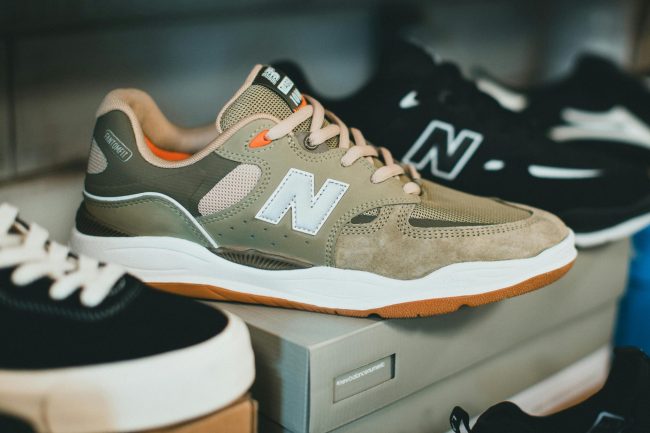
When it comes to buying shoes, not all brands offer the quality and comfort they promise. Some well-known brands have cut corners in materials, leading to shoes that wear out quickly or cause discomfort. Whether it’s overpriced sneakers or poorly made boots, spending money on the wrong pair can be frustrating. Instead of wasting money…